
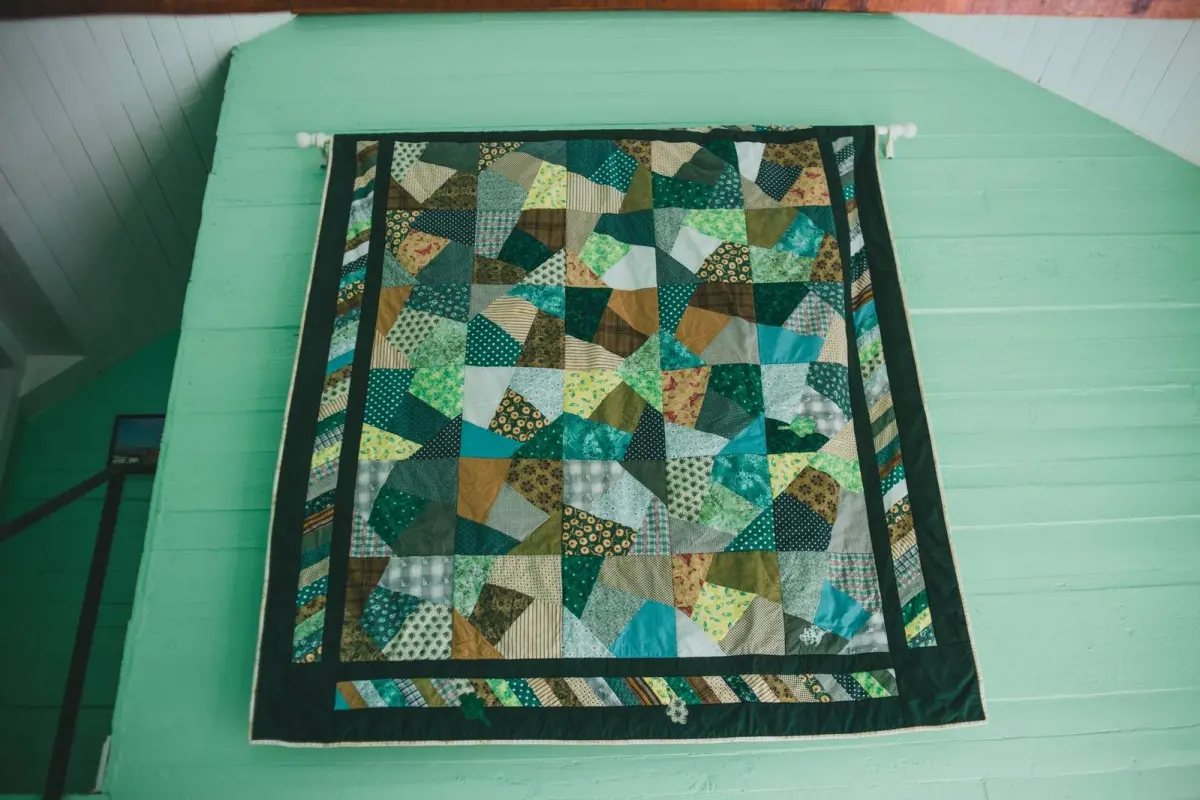
If you’re wondering what a Lancaster County Mennonite relief sale is, it’s a community auction and food event. Quilts, crafts and baked goods are sold to raise money for Mennonite Central Committee’s relief work. Here is how the tradition works.
This tradition is one thread in the wider story of giving back in lancaster pa, where food, craft and charity often meet.
| Item | Value |
|---|---|
| Mennonite Central Committee founded | 1920 |
| Relief sales held yearly in North America (1982 report) | About 20 sales, around $2 million in total |
| Largest sale in that report (Goshen, Indiana) | $297,000 in proceeds |
| Quilt prices at auction (1982 report) | As much as $1,000 per quilt |
| Relief sale income for MCC in 1997 | $4,050,745 |
These figures come from a 1982 Christianity Today report and a page on a Northern Michigan relief sale site. They are dated and can change, so check the sources before you rely on them.
What happens at a Mennonite relief sale?
A relief sale is a fundraising event where fellowship and charity meet. A page on a Northern Michigan relief sale site says these events usually center on an auction of quilts, crafts and even livestock. Volunteers work year-round on the planning, and people travel from miles away on the day of the sale.
The best-known items are quilts. Christianity Today’s 1982 report said they were crafted by Mennonite women and sold at auction for as much as $1,000 apiece. Food, antiques and livestock were also on the list.
Across the sales described in the sources, you can expect to see:
- Handmade quilts and other crafts, many donated by the people who made them
- Handcrafted furniture and loaves of bread, both described as auction items
- Antiques and livestock
- Plenty of food to eat on the spot
Prices often climb well past ordinary value. The Michigan page says the money paid rarely reflects the true value of the goods, because bidders are giving as much as shopping. It also notes that food is central to the day, naming raisin fritters at a sale in Fresno, California, and fresh apple cider at one in Albany, Oregon.
Where the tradition comes from
The Mennonite Central Committee (MCC) was founded in 1920, according to Christianity Today. Its early work included sending wheat to Russia in 1920, then tractors, plows and seed to Ukraine in 1921.
Those early projects were personal. The same report says many of them aided friends and relatives of Mennonites who had emigrated to the U.S. and Canada. A 2010 Philadelphia Inquirer profile describes the same beginning as shipping tractors and plows to fellow Mennonite farmers who were starving because of war.
That sense of duty runs through the sales. In the Inquirer piece, MCC’s Ken Sensenig said, “We have a culture of service.” The paper also notes that the Mennonite denomination traces its roots to the Swiss-German Protestant Reformation of the early 16th century.
Relief sales grew out of this culture rather than a master plan. The 1982 report says each sale quickly becomes an annual event, and that in the beginning the sales simply happen on their own.
Where the money goes
Proceeds support MCC’s relief and development work. The Michigan page says MCC had about 1,000 persons in service in more than 50 countries, working in agriculture, community development, health and social services. It reports that relief sales brought in $4,050,745 for MCC in 1997.
Closer to home, the Inquirer reported in 2010 that MCC’s distribution center in Ephrata, in Lancaster County, draws volunteers who do jobs like these:
- Sorting bolts of fabric and clothes
- Packing school kits and health kits
- Bundling blankets
- Boxing canned meat
During peak periods, as many as 100 people a day helped there, the paper said. It also reported that MCC was funded mostly by individual Mennonites and their congregations, relief sales, and a network of more than 100 thrift shops, as of its August 2010 article. Treat those 2010 details as a snapshot, not a current account.
A Pennsylvania story: the Thomas brothers’ farm
One gift shows how far a relief sale community will go. In a July 2014 report, MCC’s Kevin King recalled a call from two brothers in the early 1990s: “We’re the Thomas brothers, and we want to give our farm to the Mennonites.”
The brothers, Art and Kermit Thomas, had watched Mennonite Disaster Service volunteers clear river banks and clean strangers’ flooded homes after a storm in the 1970s. Their farm was in Ebensburg, Pa. Pennsylvania Relief Sale board members, who plan several annual events benefiting MCC, pledged to help maintain it.
The care was long-term. Between 1999 and 2012, board member Amos Sensenig made the 184-mile trip from Lancaster County to the farm at least once a month. In the summer before the report, 45 Amish youth from Lancaster County joined board members for a work day to get the property ready for sale.
The farm sold for $525,000 at a public auction. The board donated the proceeds to both MCC and MDS, and the buyer will continue to farm the land, as the brothers wished.
Planning a visit and giving year-round
The sources used here do not list this year’s dates or locations. Look for announcements from the Pennsylvania Relief Sale itself, and confirm the details before you travel. This site is an independent guide and is not connected to any relief sale or to MCC.
A few habits fit the tradition well:
- Arrive hungry, since food is a central part of the day.
- Remember that winning bids are donations as much as purchases.
- Ask volunteers about the quilts, since donors often make them by hand.
If you want ways to give outside sale weekends, browse these fair trade shops lancaster pa. You can also look at lancaster pa farmers markets for local food and handmade gifts.
Frequently asked questions
What is a Mennonite relief sale?
Show answer
It is a fundraising event, usually built around an auction of quilts, crafts and sometimes livestock, with food and fellowship alongside. The Northern Michigan relief sale page describes them as ways Mennonites combine fellowship with charity.
Who receives the money?
Show answer
Relief sale proceeds go mainly to Mennonite Central Committee. In the Thomas farm case, the Pennsylvania Relief Sale board split the $525,000 sale price between MCC and Mennonite Disaster Service, according to a July 2014 report.
How much can a quilt sell for?
Show answer
Christianity Today’s 1982 report said quilts sold for as much as $1,000 apiece. That is an old figure, so check recent sale results for current prices.
How big are relief sales?
Show answer
The largest sale in the 1982 report was in Goshen, Indiana, with $297,000 in proceeds. The Michigan page reports that relief sales brought in $4,050,745 for MCC in 1997.